
What to Ask Before Hiring a Muralist

You know you want a mural. Maybe you've been staring at that blank wall for months, or you finally got budget approval, or you're just tired of looking at beige. Whatever brought you here, you're now facing a new problem: you have no idea how to actually make this happen.
And that's completely normal. Murals aren't like hiring a contractor for your bathroom or ordering a logo from a design agency. There's no standard pricing sheet, no obvious way to compare artists, and nobody teaches you how to do this. You're not supposed to already know.
So let's walk through it together. By the end of this, you'll know what information to gather, what questions to ask, and how to have a real conversation with a muralist without feeling like you're in over your head.
Before You Reach Out, Gather the Basics
Here's the thing that will make your life easier and get you better responses from artists: come prepared with a few key details. You don't need to have everything figured out. But the more you can share upfront, the more useful the conversation will be.
First, measure the wall. Height and width in feet. I know this sounds obvious, but you'd be surprised how many inquiries come through with just a photo and a dream. I love the enthusiasm, truly. But I can't give you a realistic estimate if I don't know whether we're talking about 50 square feet or 500.
Take a photo of the wall, but also tell me what it's made of. Smooth drywall, painted brick, cinder block, old stucco that's been patched a dozen times. These all paint differently and require different prep. If you're not sure what it is, just describe it. "It's kind of bumpy and painted white" is genuinely helpful.
Mention whether it's indoor or outdoor. This affects paint choices, scheduling, weather considerations, all of it.
If you have a deadline, share it. "We need this before our grand opening in six weeks" is a very different project than "sometime next year, no rush."
And if you have a concept, great. If you don't, that's also great. Some clients come with a detailed vision. Others say "I don't know, I just want it to feel welcoming" and that's a perfectly fine starting point. Just let the artist know where you're at.
How to Evaluate a Muralist's Experience
Looking at someone's portfolio is the obvious first step, but here's what to actually pay attention to.
Have they worked at your scale? An artist with a beautiful portfolio of small paintings or 8-foot accent walls might be incredible, but a 40-foot exterior is a different beast. It's not just about talent. It's about logistics, pacing, equipment, and knowing how a design reads from across a parking lot versus up close. If you're not sure, just ask. "Have you done walls this size before?" is a completely fair question.
Ask to see process photos. The polished portfolio shots are nice, but the behind-the-scenes stuff tells you more. What does their worksite look like? How do they handle tricky sections? Are they problem-solvers? You can learn a lot from seeing the mess in the middle.
If your wall has quirks, unusual texture, weird angles, obstacles like electrical boxes, ask if they've dealt with similar challenges. Experience with your specific situation matters.
Understanding How They Work
Every muralist has their own process, and there's no single right way. But you should understand what to expect before you commit.
Some artists will visit the site in person before giving a quote. Others, especially if travel is involved, work from photos and measurements. Both approaches are valid. What you want to watch for is someone who quotes without really understanding the wall at all. That's a red flag.
Ask about the design phase. How will you see the concept before painting starts? Some artists create detailed digital mockups. Others sketch by hand or project the design onto the wall so you can see it at actual scale. Ask how many revision rounds are included. You want to love the design before paint hits the wall, and a good muralist wants that too.
Find out who handles prep work. Does the wall need to be primed, power washed, patched? Some muralists include all of that in their process. Others expect the wall to be ready when they show up. Neither is wrong, but you need to know what you're agreeing to.
The Logistics Stuff
This is the less glamorous part, but it matters.
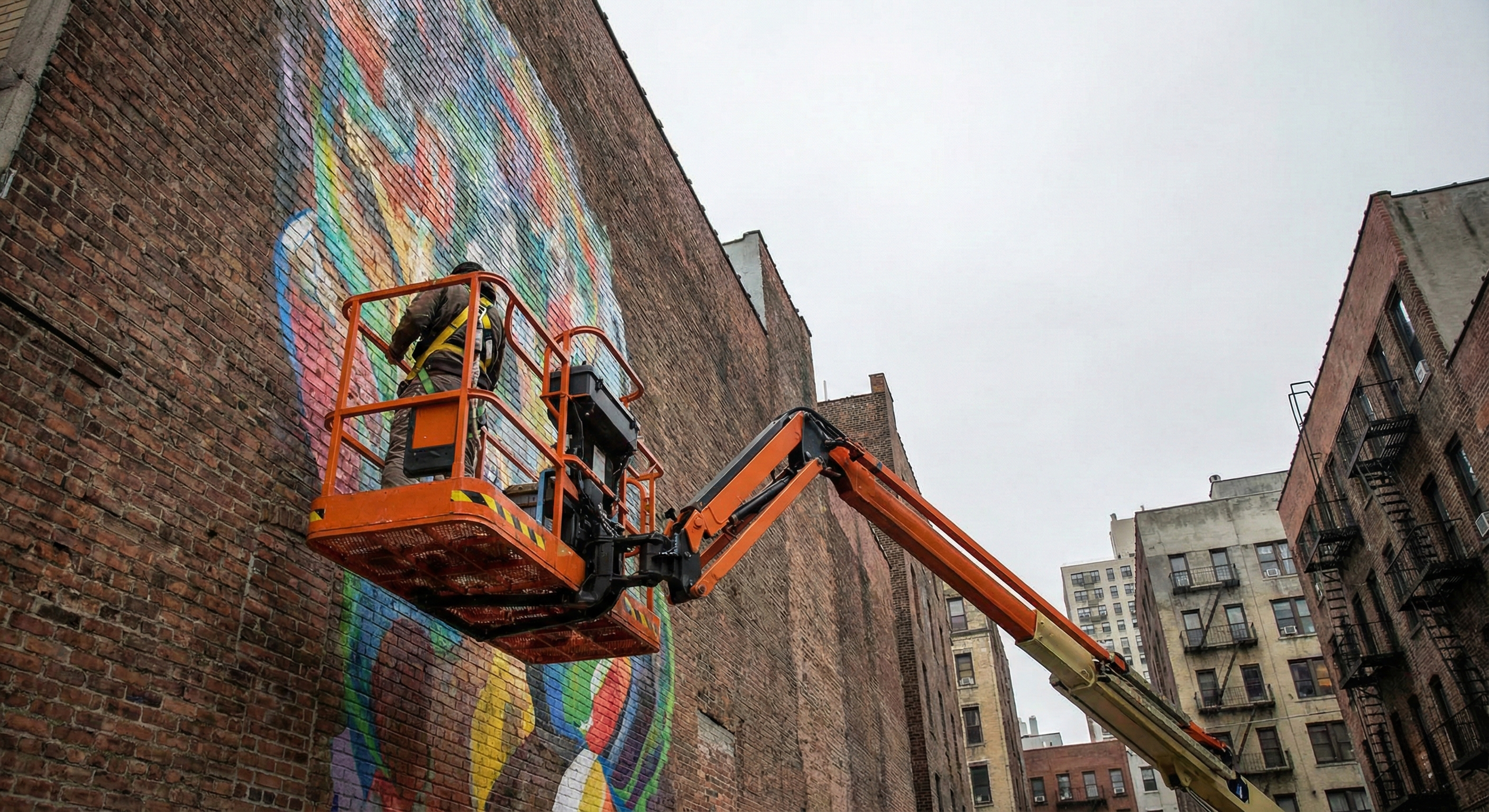
Big walls need equipment. Lifts, scaffolding, sometimes both. Ask who provides that and whether it's included in the quote. Some artists own their gear. Others rent it, and that cost might be separate.
Talk about access. When can they actually be there painting? If it's a business, can work happen during operating hours, or does it need to be nights and weekends? If it's residential, are there HOA considerations or neighbor sensitivities?
For outdoor murals, ask about weather. Rain, extreme heat, and wind all affect paint application. An experienced muralist builds buffer time into the schedule. If someone promises a hard delivery date with no flexibility for weather, that's worth questioning.
If they work with a crew, ask about it. A solo artist is a different experience than a team of three. Neither is better or worse, but it's good to know who will be on your property.
Materials and How Long the Mural Will Last
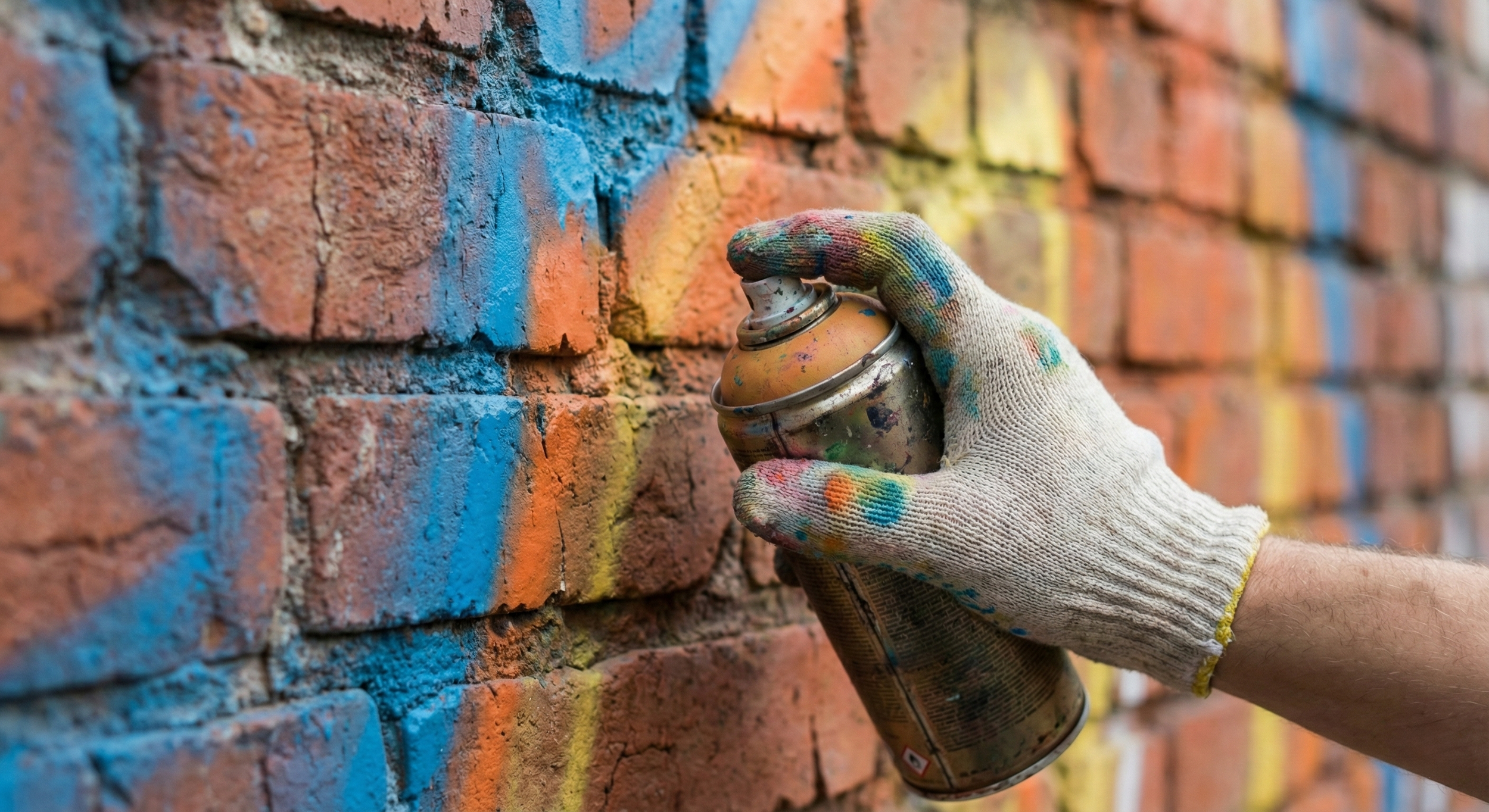
If it's an outdoor mural, the paint needs to hold up against sun, rain, and temperature swings. Ask what products they use. UV-resistant exterior paints are pretty standard for this kind of work.
You might hear about clear coats. A protective clear coat can extend the mural's lifespan, but it's not always necessary. It depends on the wall's exposure, the look you're going for, and your budget. Some murals look better without that glossy seal. It's worth discussing, but don't feel like you have to say yes.
For indoor murals, the concerns are different. If people will be in the space during or shortly after painting, low-VOC paints matter. High-traffic areas might need a more durable finish. Just have the conversation about what makes sense for your specific situation.
And ask about lifespan in general. A good muralist will give you honest expectations and explain what factors, like direct sun exposure or surface condition, affect longevity.
Talking About Money
Mural pricing isn't standardized. It varies based on size, complexity, surface condition, location, and the artist's experience. A simple per-square-foot rate rarely tells the whole story, so don't be surprised if you need an actual conversation to get a real number.
A typical payment structure looks something like this: a deposit to get started, maybe a milestone payment or two during the project, and a final payment when it's done. Be cautious if someone asks for the full amount before any work begins.
Make sure you understand what's included. Design time? Revisions? Materials? Travel if they're coming from out of town? A touch-up visit after completion? Get clarity on all of it, ideally in writing.
Who Owns What
A quick note on rights and documentation.
Most muralists will want to photograph the finished piece for their portfolio and social media. That's standard and reasonable. But if you have concerns, like not wanting your location tagged publicly or wanting to approve images before they're posted, just bring it up. It's not a weird ask.
On the flip side, think about whether you might want to use the design for anything beyond the wall itself. Merchandise, marketing materials, that kind of thing. For most projects this doesn't come up, but if it might matter to you, clarify ownership early.
And one more thing: handle your own approvals. If you need sign-off from an HOA, landlord, or local permitting office, that's your responsibility. An experienced muralist can often tell you what's typically required, but they're not going to pull permits for you.
Seriously, Just Ask
If you've made it this far and still feel a little uncertain, that's okay. Most people hiring a muralist for the first time feel exactly the same way. You're not supposed to be an expert at this.
The best thing you can do is just ask questions. Ask about the timeline. Ask about prep work. Ask why they chose a specific paint. Ask what happens if you don't love the first design concept. Ask what a typical day on site looks like.
A muralist worth working with will answer all of it without making you feel dumb. In fact, we prefer clients who ask questions. It means you're engaged. It means we're on the same page. It means fewer surprises for everyone.
Ready to Start?
If you've got a wall and even a rough idea of what you want, reach out. Fill out the contact form below and include those dimensions. We'll figure out the rest together.